
Farm to Fork Summit 2027
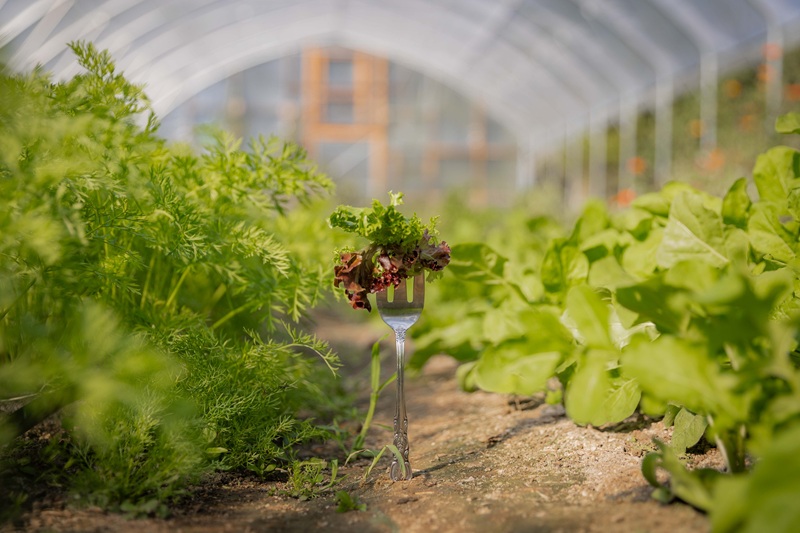
The 9th annual Farm to Fork Summit and Expo will take place Friday, March 5, 2027, at the Nevada Community Center in Nevada, Missouri. The regional event brings together farmers, ranchers, food entrepreneurs, and partners for a full day of learning, connection, and practical insight focused on strengthening farms, food businesses, and rural and urban communities.
Farm to Fork is designed with food producers in mind, whether they are just getting started, looking to diversify, or ready to strengthen and scale their operation. The event offers practical strategies, shared learning, and meaningful connections to support food and farm businesses serving local and regional food markets.

Beyond learning specific skills or strategies, attendees gain access to ongoing support, resources, and relationships that continue to benefit their businesses long after the event.
From Farm to Market: Expanding Opportunities for Farmers
Farm to Fork’s 2027 keynote features two nationally recognized keynote speakers! Together, they will explore opportunities to expand market access for independent farmers and strengthen rural economies.
Craig Watts, a former contract poultry grower, brings firsthand experience in production and developing new market opportunities.
Joe Maxwell, a fourth-generation farmer and former Missouri lieutenant governor, brings expertise in agricultural policy and fair, competitive markets.
Helping shape this year's breakout sessions is New Growth's new Farm Business Counselor Karissa Kary, founder of Ozarks Farm Stop and recently named Springfield Business Journal's 2026 Entrepreneur of the Year. Her years of working directly with small farm and food businesses bring valuable perspective to the planning committee, particularly in understanding what it takes for farmers to find the right markets, grow their customer base, and build a business that can sustain them.
After the keynote presentation, attendees will choose from a wide range of breakout sessions on topics that include:
- Finding the right markets for your farm
- Selling to schools and other institutions
- Working with other farmers to reach bigger buyers
- Farm diversification
- Developing value-added products
- Marketing farm products
- Expanding your direct-to-consumer sales
- Meeting wholesale, retail, and institutional buyers
- Transitioning to independent farming
Exhibitors at Farm to Fork also provide information about valuable programs and products.
Farm to Fork offers both practical tools and big-picture perspective to help farmers and food business owners adapt, innovate, and increase their resilience in a changing agricultural and economic landscape.
Not Your Typical Lunch
One of the most anticipated features of Farm to Fork is a hearty scratch-cooked lunch made with a surprising variety of fresh and locally sourced ingredients available in late winter, well before most spring planting.
Visit newgrowthmo.org/farmtofork for event details, including ticket information and a limited-time ticket scholarship for farm businesses.
Why Farm to Fork Summit
It was at Farm to Fork that Julianne Hemphill, owner of the emerging elderberry business Twilight Grove, learned about a mini-scholarship that helped her attend essential training for her farm. Connections made at the Summit also led Melissa Ginther, owner of Ruthie Mae Blooms, to new ideas and ways of thinking about her business, along with information about a grant that supported her next stage of growth. Farm to Fork is also a place where participants come full circle like Makeesha Munro, owner of Root 54 Farm, grateful for the business assistance she received through New Growth, last year returned to share her knowledge by presenting a session on mushroom farming.
About New Growth
New Growth is a nonprofit rural community development corporation based in west central Missouri, with offices in Appleton City, El Dorado Springs, and Bolivar. New Growth supports local and regional economic development through programs that foster rural entrepreneurship and innovation, including micro-financing, food and agriculture business support, child care access, and rural transit.