
Rural Transportation That Works
In 2025 as transportation systems across Missouri faced tightening budgets, one program in west central Missouri is demonstrating a different path forward.
Despite receiving less state support than expected in 2025, New Growth Transit has continued providing essential rural transportation through an efficient, community-driven model. In just the first 11 months of the year, volunteer drivers delivered more than 13,600 rides, ensuring residents could reach lifesaving medical care, employment, grocery stores, recovery court, and other essential destinations.
This year, Missouri appropriated $1.75 million to be divided among four volunteer driver organizations serving more than 22 rural counties statewide. While the funding was deeply appreciated, it fell short of expectations. Even so, New Growth Transit, which serves 11 counties in west central Missouri, adapted quickly and continued operating without interruption.
For many riders, that continuity has made the difference between accessing care or going without it.
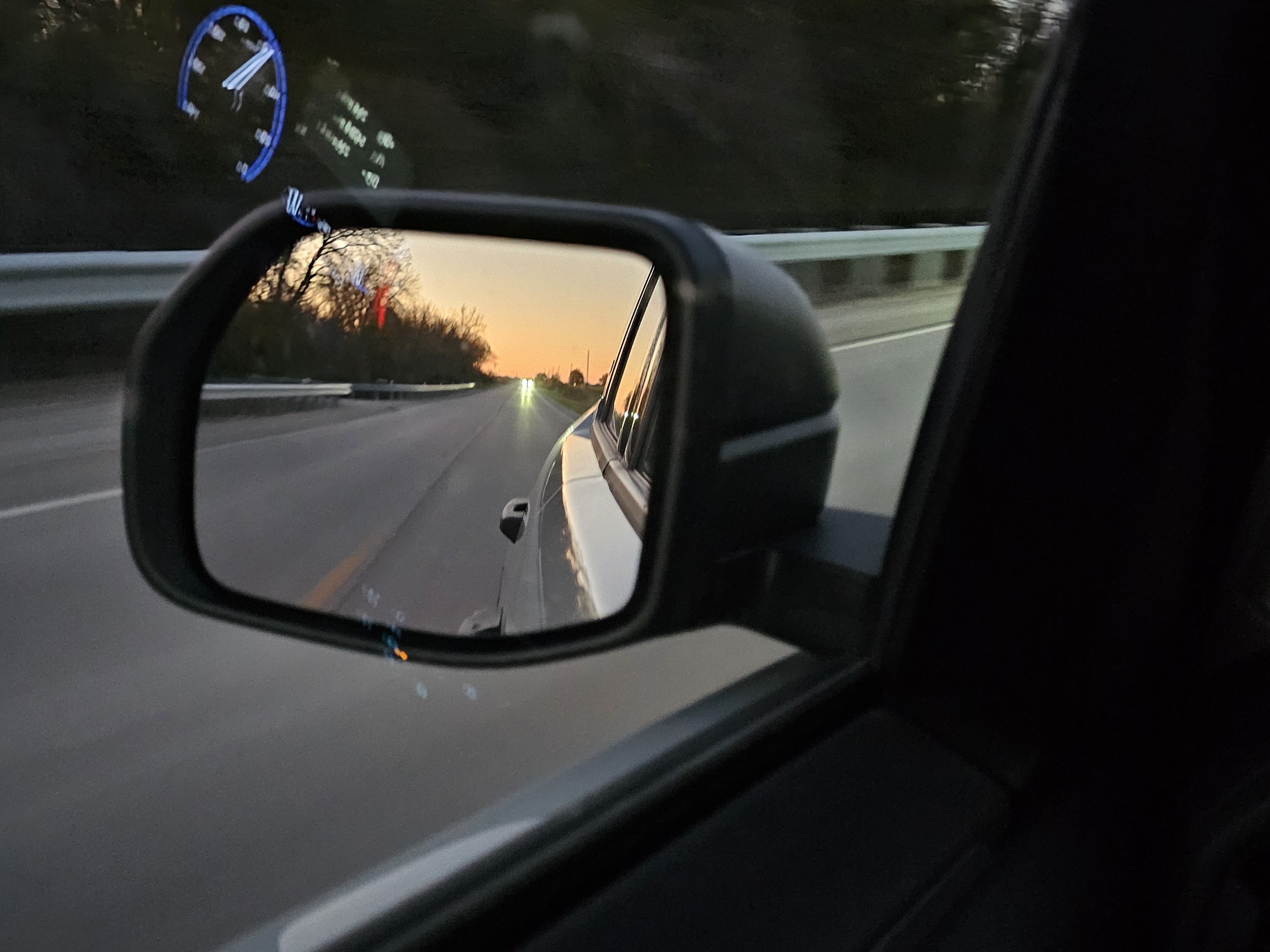
On a typical weekday morning, a volunteer driver may leave home well before sunrise to pick up a rider for a medical appointment more than 45 miles away. These trips typically require a same-day return, doubling the distance. For residents who can no longer drive themselves, rides like these are not optional; they are essential.
An Affordable Solution to an Essential Need
“People want solutions,” said Kelly Ast, Chief Mobility Officer for New Growth Transit. “Rural communities deserve more resources, but with what we do have, we are proving that this volunteer driver model is efficient, local, and effective.”
Unlike traditional public transportation systems, New Growth Transit does not operate bus fleets or fixed routes. Transportation costs occur only when a ride is needed, allowing the program to respond directly to real-world demand without maintaining costly infrastructure. The model reflects rural realities, where long distances,early-morning medical appointments, shift work, and weekend travel are common.
Volunteers Make the Difference
Volunteer drivers power the system. They are trained, certified and insured by the program. Drivers choose when they are available and where they are willing to go, whether staying on local roads or traveling into nearby urban areas. Drivers receive $0.70 per mile to offset the cost of driving their own cars, the IRS standard rate for mileage reimbursement, and are supported by New Growth Transit staff who manage ride coordination.
Early critics questioned whether people would volunteer to serve as drivers. Not only have people continued to step forward generously, but the program has also delivered unexpected benefits for those who volunteer. While mileage reimbursement helps offset the cost of driving and can provide modest financial relief for tight budgets, volunteer drivers who are socially isolated find that the role provides purpose and creates meaningful community connections. Currently the program has over 50 trained volunteers.
“Our drivers are the reason we can keep saying yes,” Ast said. “They are local members of the communities they serve,and their generosity, combined with the structure we provide, is what keeps this solution strong.”
Funding to Fuel the Rides
Even amid funding uncertainty, New Growth Transit remained a lifeline throughout 2025. Drivers covered more than 550,000 miles, with the average one-way trip measuring 39 miles, and some counties averaging nearly 50 miles one way, underscoring the distances rural residents must travel. Most trips require a return ride the same day.
Roughly half of all rides were for non-emergency medical transportation, including dialysis, chemotherapy, and specialist visits. The remaining trips provided access to work, food, and other essential needs that rural residents could not reach without transportation.
During early 2025, while funding was uncertain, New Growth Transit secured a contract as a ride provider for MTM, Missouri’s Medicaid transportation system. The partnership helped maintain services until state funding was finalized in late June.
Support from county agencies,healthcare partners, local foundations, civic groups, and individual donors has also played a key role. Dollars designated for mileage reimbursement go directly toward the miles volunteer drivers provide and help leverage other funding to sustain services.
Requests for rides continue to climb across west central Missouri. As rural populations age, jobs require long commutes, and medical specialists remain concentrated in regional hubs, the need for reliable, flexible transportation continues to grow.
“We are efficient. We are local. And this model works,” Ast said. “With sustained support, we can continue meeting the transportation needs rural residents depend on to live, work, and stay healthy.”
Learn More
Hear all about New Growth Transit directly from Kelly Ast in a short but informative recent radio spot on KNEM-KNMO, in Nevada, Missouri.
If you’d like to consider being a driver or would like to request a ride, call us at 417-283-7991